Making a year of hydrogen-car engineering legible to a room of sponsors
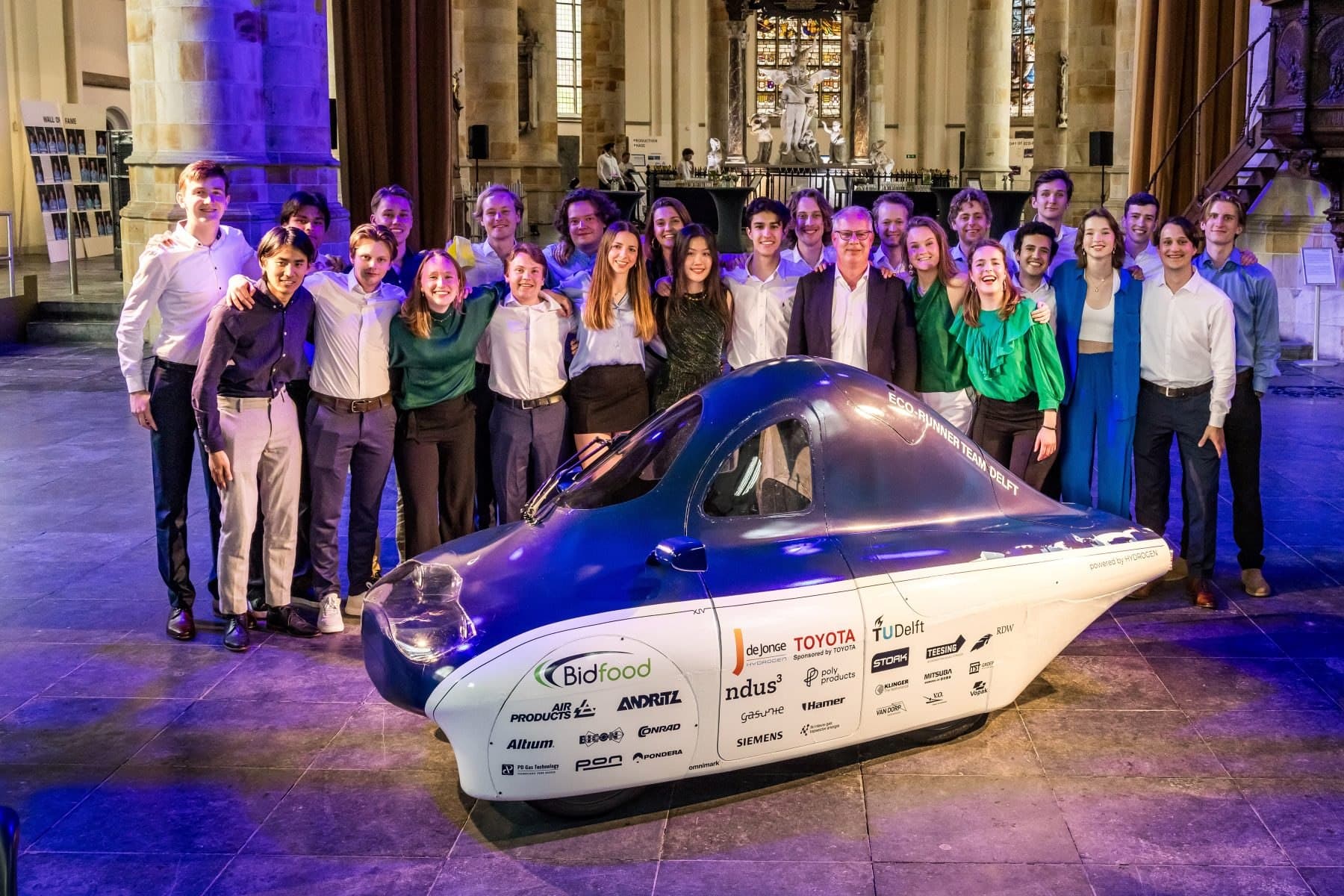
Eco Runner Team Delft designs, builds and races a hydrogen-powered car every year. I built the team's visual identity and designed the Design Presentation that introduced Eco-Runner XIV — the team's world-record attempt — to its sponsors, Toyota and TU Delft among them.
The brief
A student team spends a year engineering a hydrogen car. My job was making that year legible to a room of sponsors, engineers and TU Delft staff — in the ninety minutes the Design Presentation had to run.
A visual identity, not just a deck
I built a single visual identity for the team: a wordmark, a colour system anchored in navy and teal, a thin dividing rule and an edition mark ('XIV') that could travel across the deck, the team's own podcast and its social channels without anyone redesigning it each time.

Explaining hydrogen to a room that isn't technical
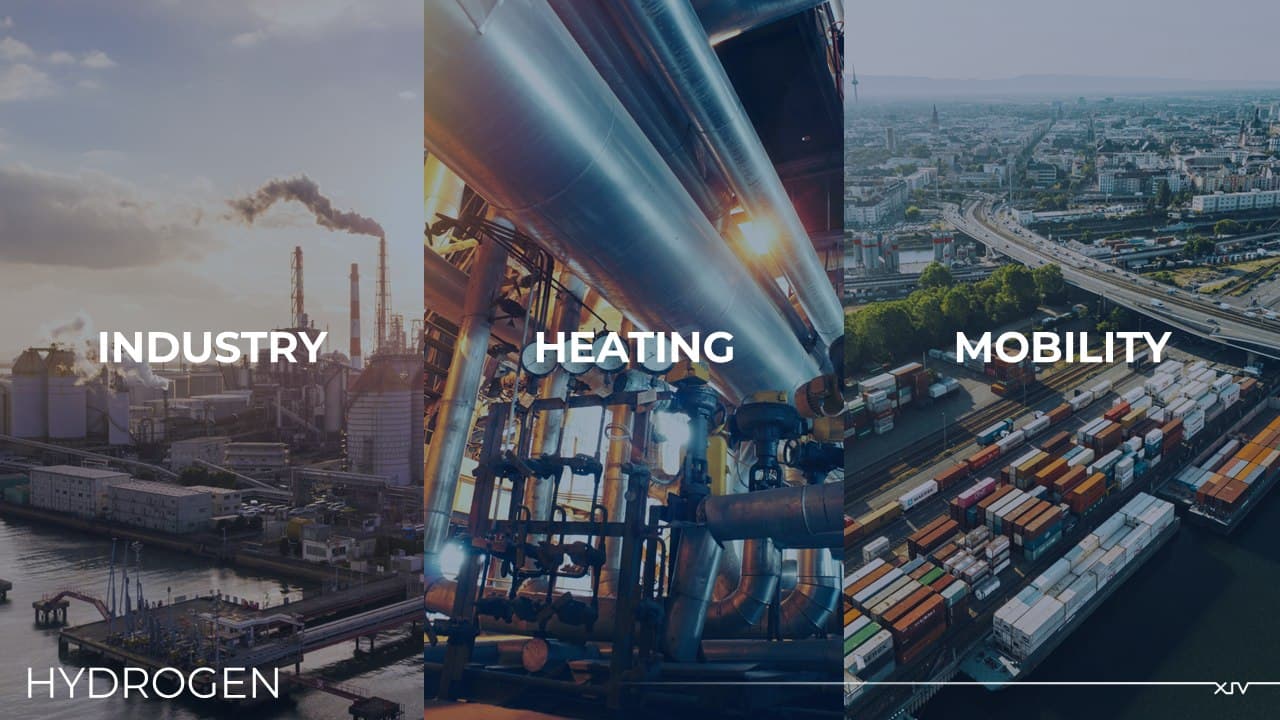
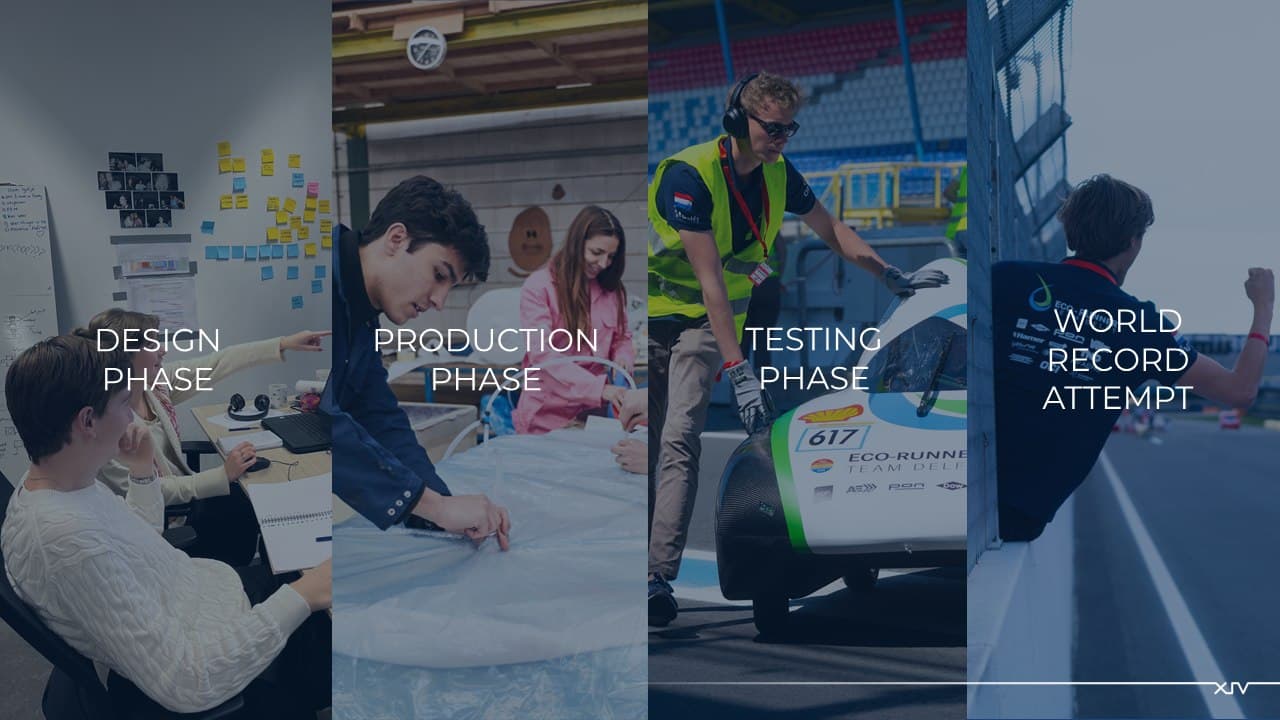
Sponsors decide whether to fund next year's car partly on whether they understood this year's. Rather than paragraphs, the deck leaned on full-bleed photography and a handful of bold numbers: hydrogen's real industrial uses, and one continuous timeline from design to the record attempt.
What hydrogen actually is
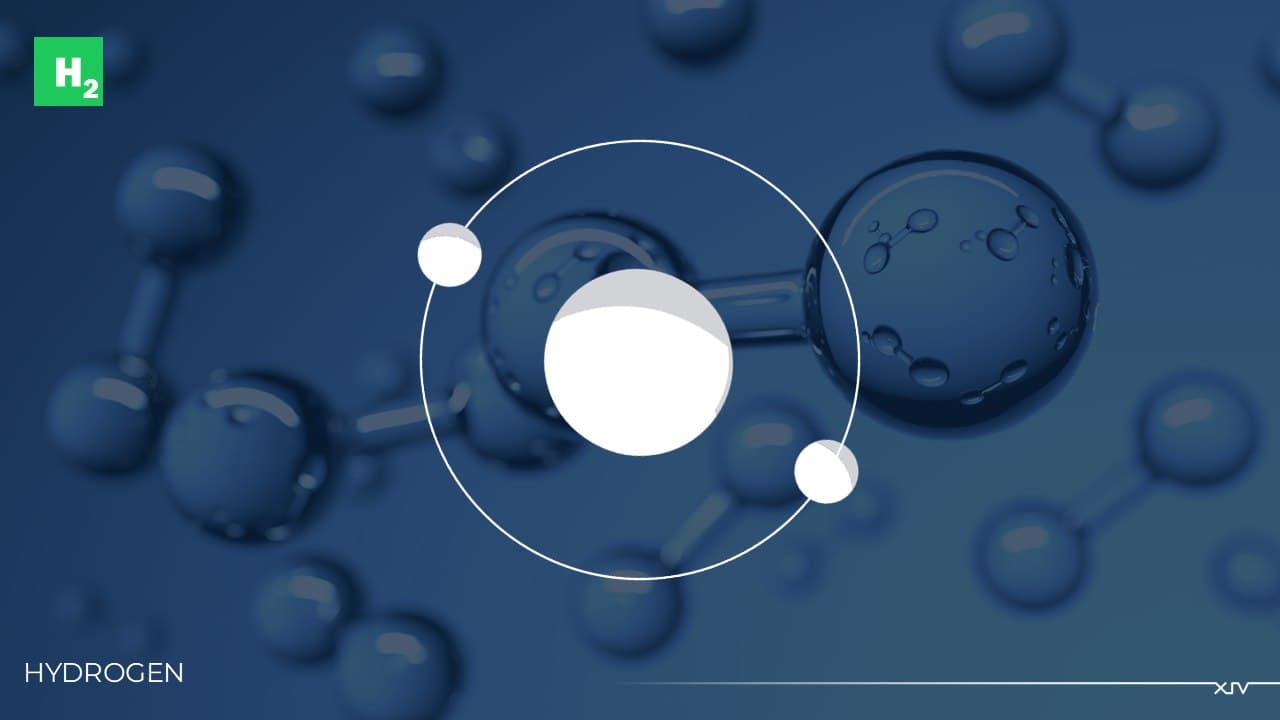
Before the deck could explain the car, it had to explain the fuel: two hydrogen atoms, and why that makes it an energy carrier rather than an energy source — the distinction the rest of the deck's numbers depend on.

Explaining a design decision, not just a part
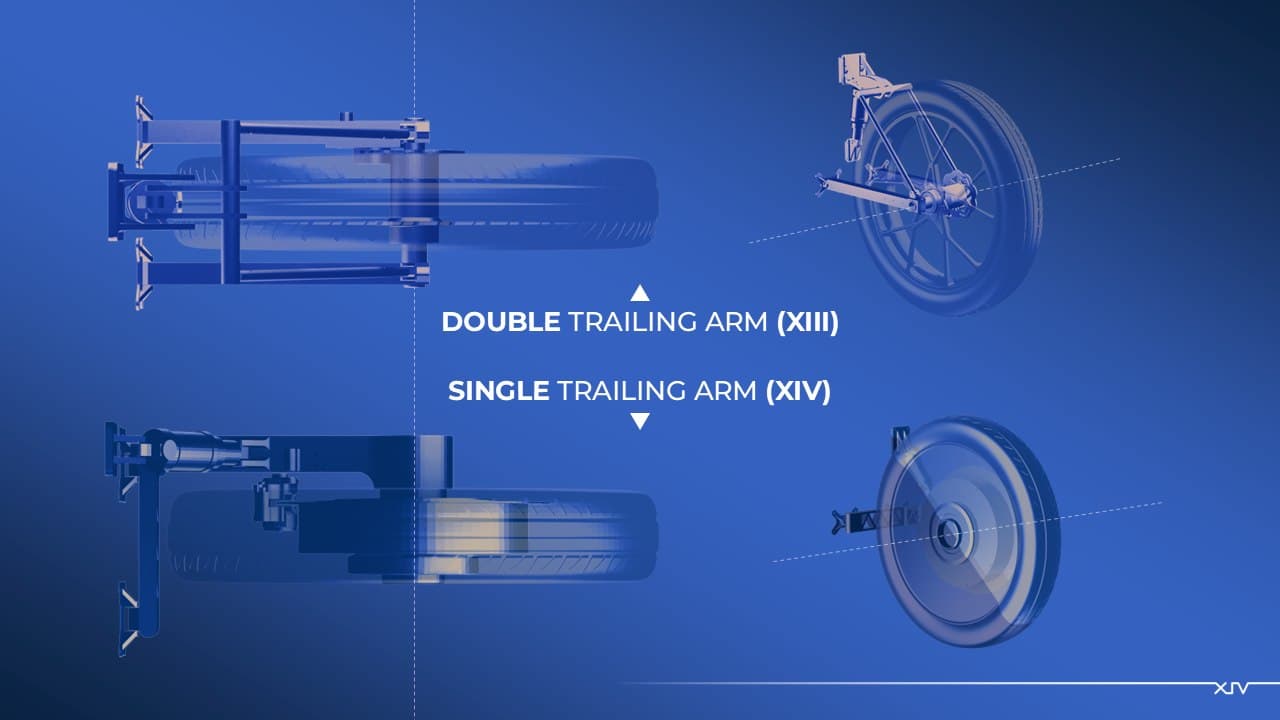
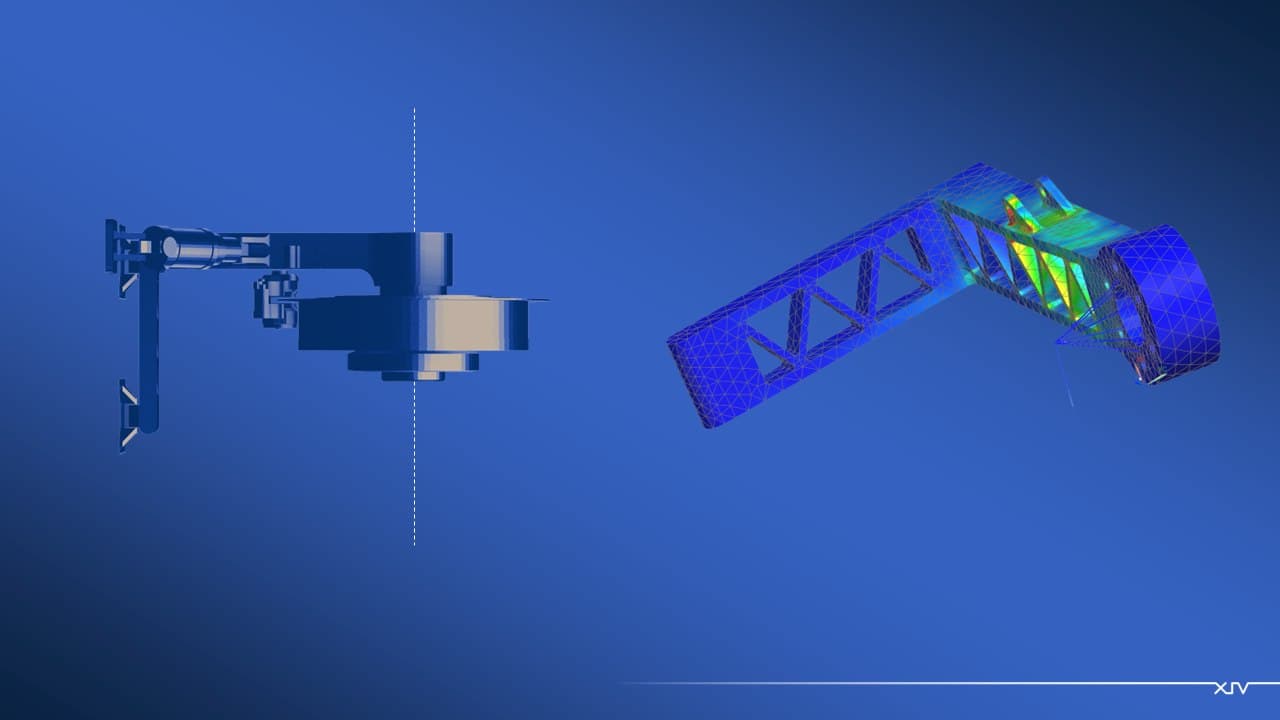
Eco-Runner XIV moved from the double trailing-arm suspension used on XIII to a single trailing arm. Rather than describe the change in a paragraph, I put the two designs side by side and backed the comparison with the same finite-element stress analysis the engineering team used to validate it.
One system at a time
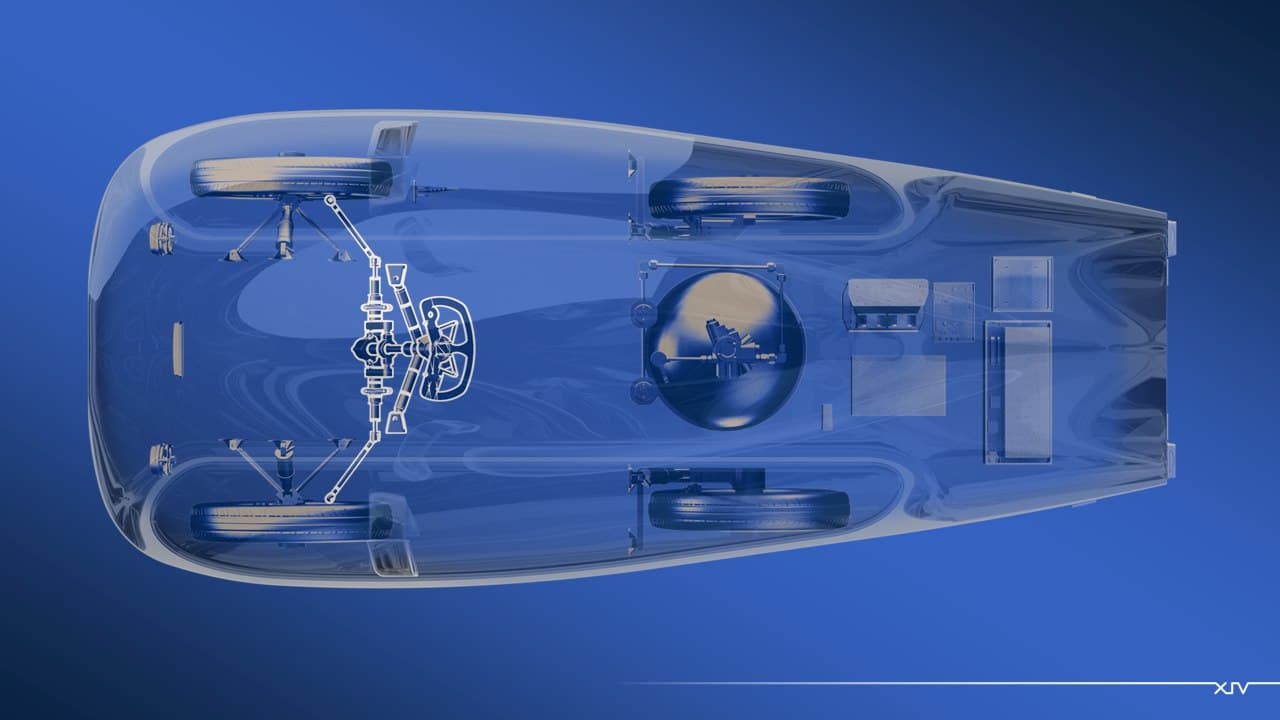
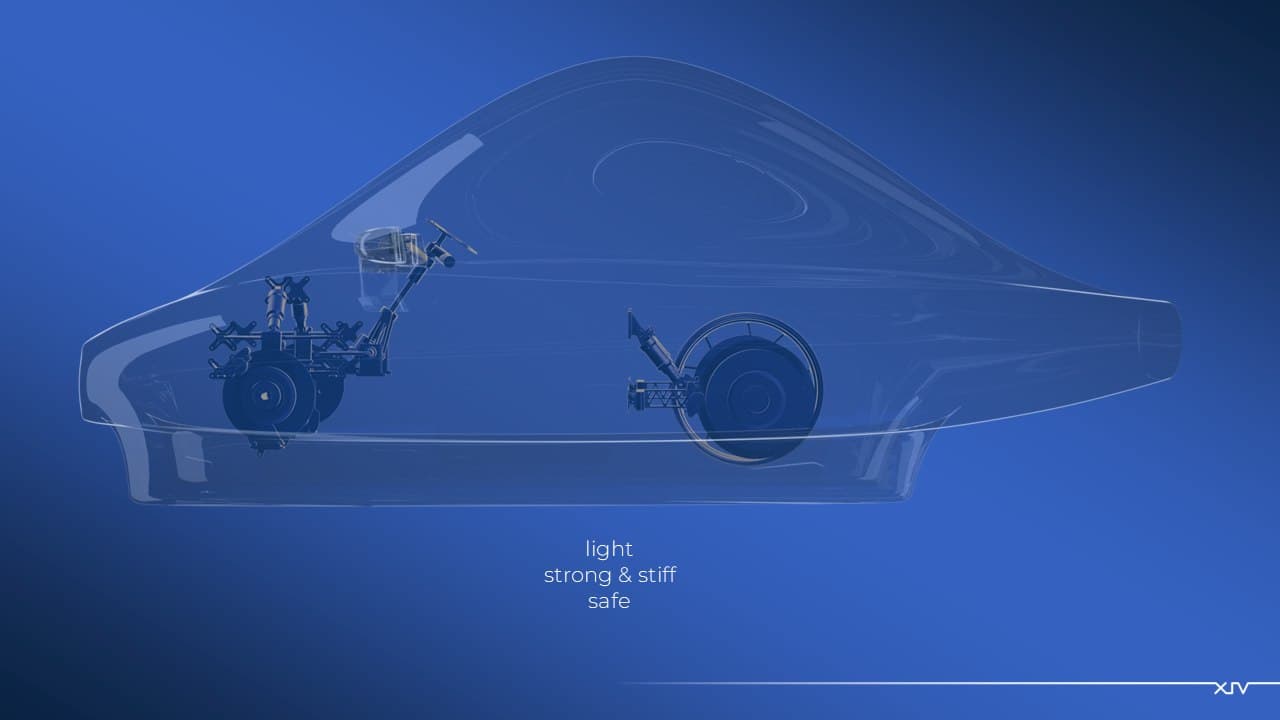
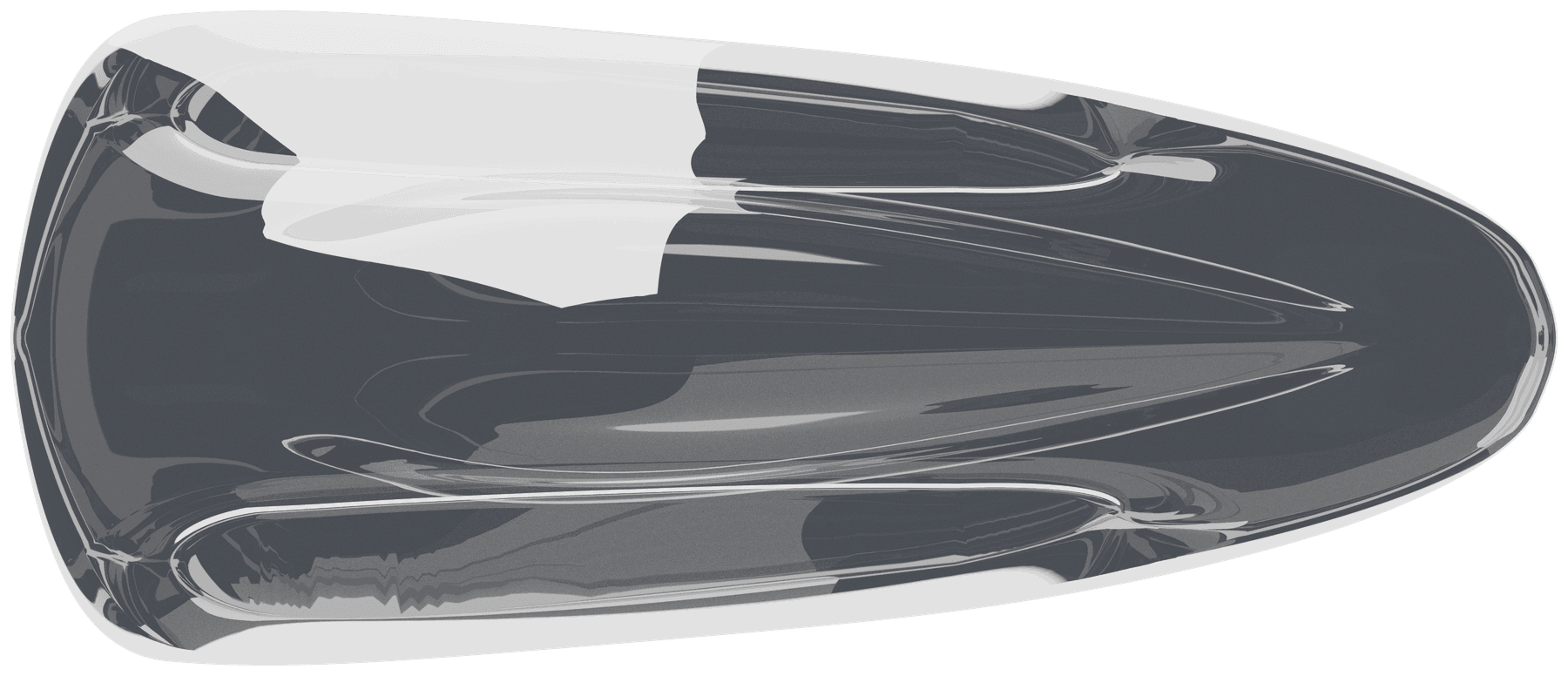
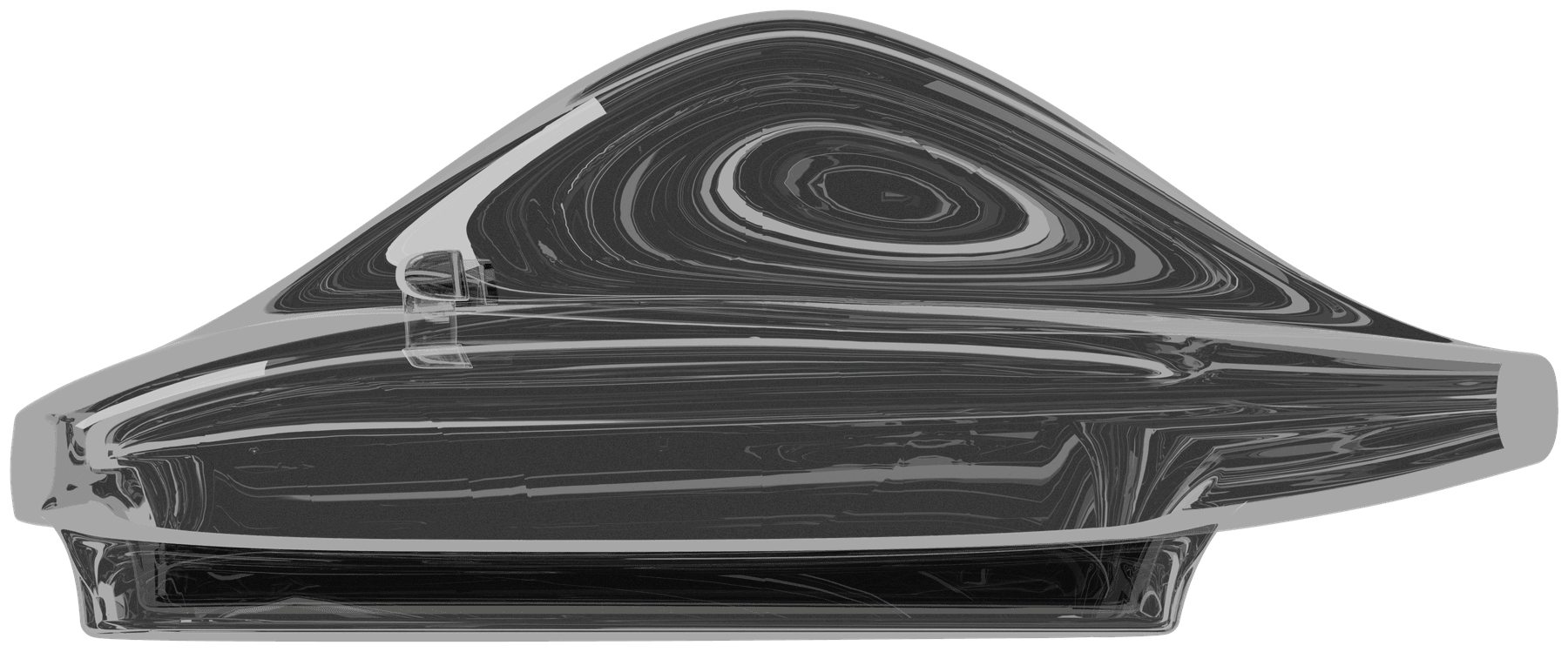
Isolating a single system — the steering rack, the shell's own construction brief — let one slide make one idea land, instead of one slide trying to explain everything at once.
What the deck had to prove
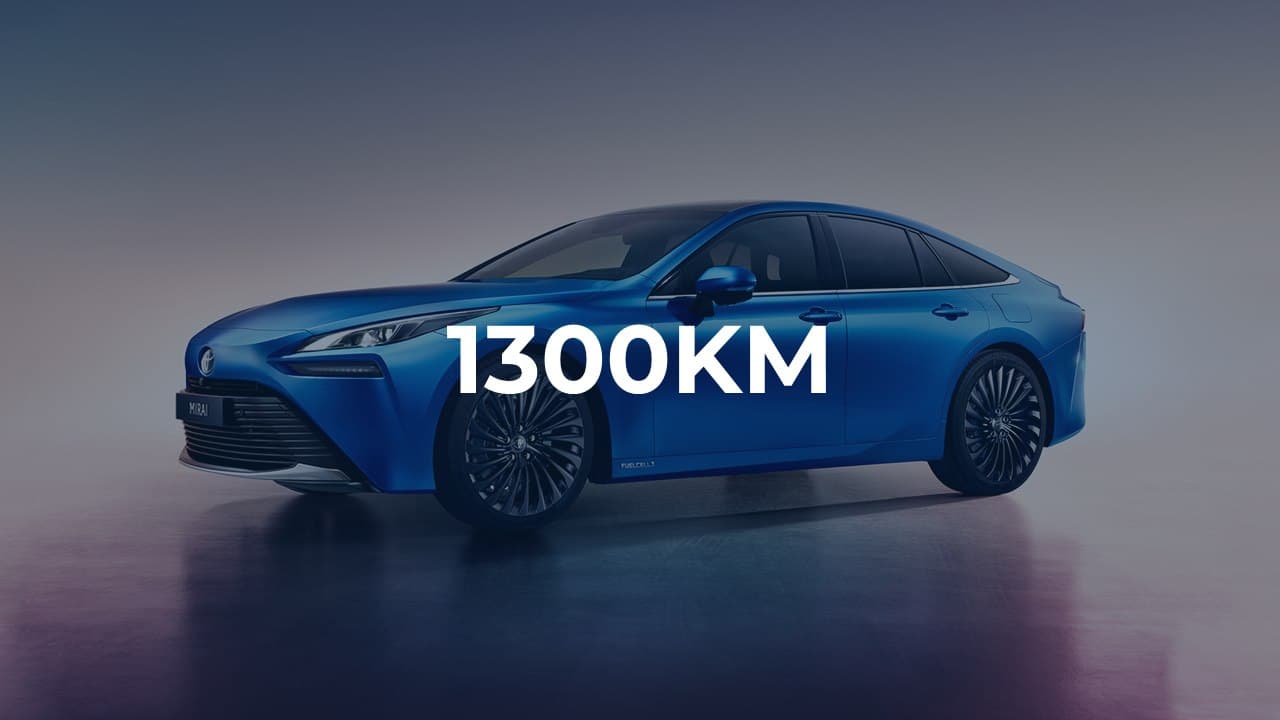
Eco-Runner XIV is road-legal, and its world-record attempt aimed to travel 2056km on 1.45kg of hydrogen. The deck put that next to a production hydrogen car — Toyota's own Mirai, one of the team's sponsors — at roughly 1300km, so a technical room and a non-technical one could both see the scale of it.
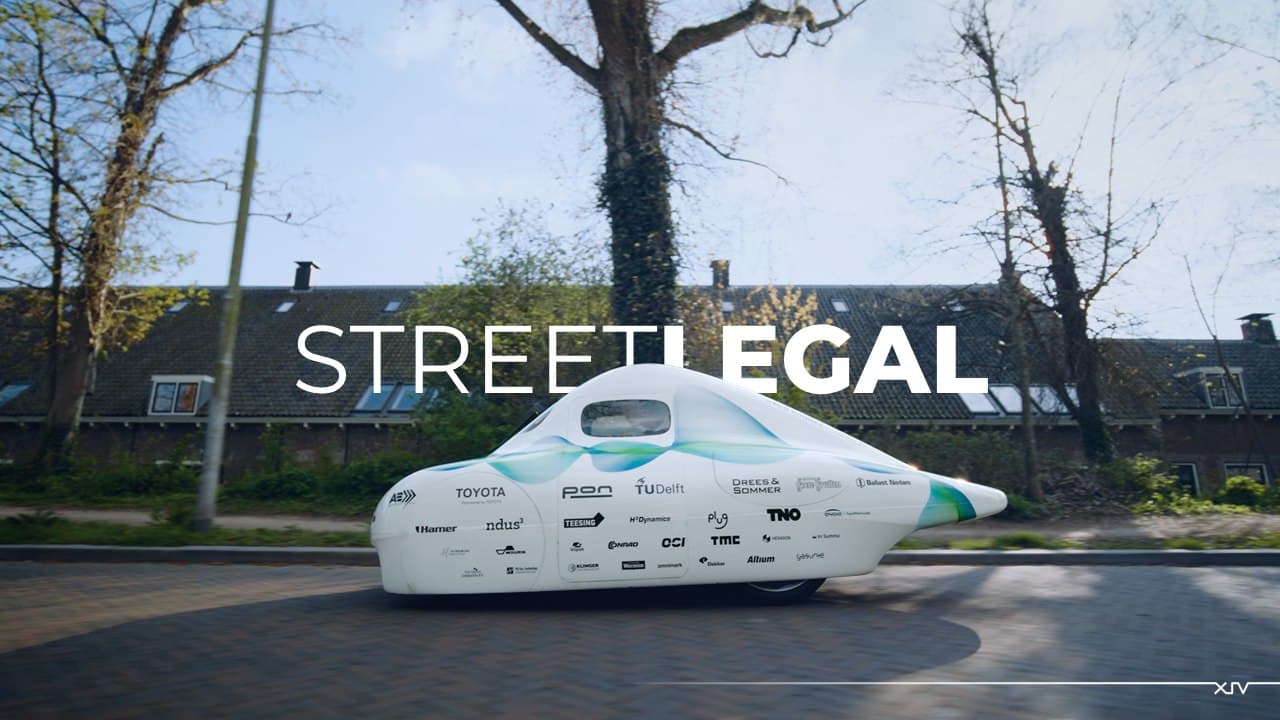
The vehicle the identity had to represent
The shell and the systems underneath it were the team's engineering divisions' work, not mine — but the identity had to feel worthy of it.
The reveal
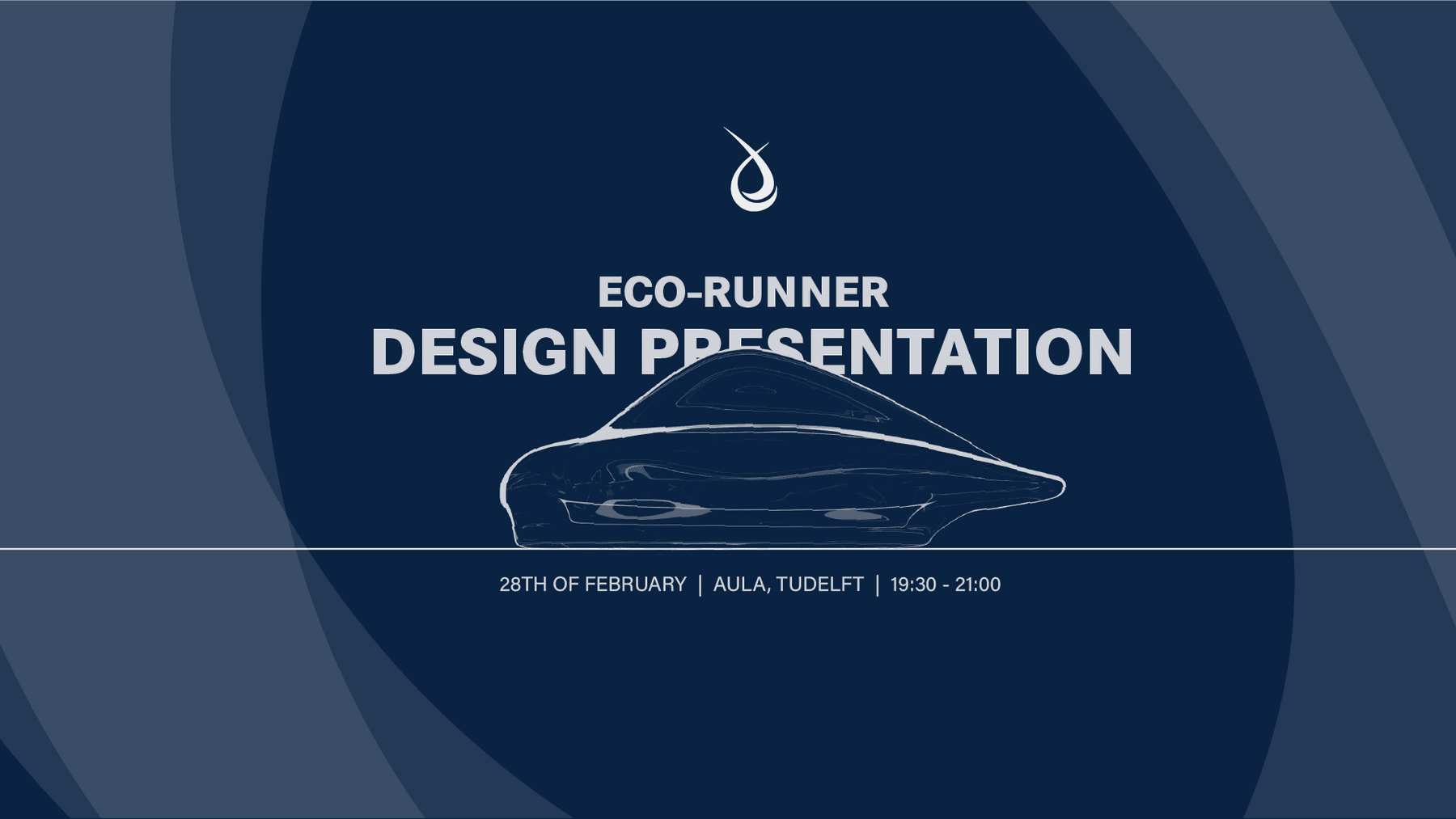
The Design Presentation ran at the TU Delft Aula on 28 February, in front of the team's sponsors.
What happened
The Design Presentation ran as planned. The identity it introduced carried past that one night — the same mark, the same navy and teal, the same thin dividing rule show up across the deck, the team's podcast and its social channels.