A waste-bin pilot that treats deposit collectors as users, not a problem
A three-phase pilot redesigning Amsterdam's street bins — sensing, a dedicated deposit route, and AI-driven signalling — built to cut litter and cleanup cost without making life harder for the people who collect deposit bottles for income.

The problem
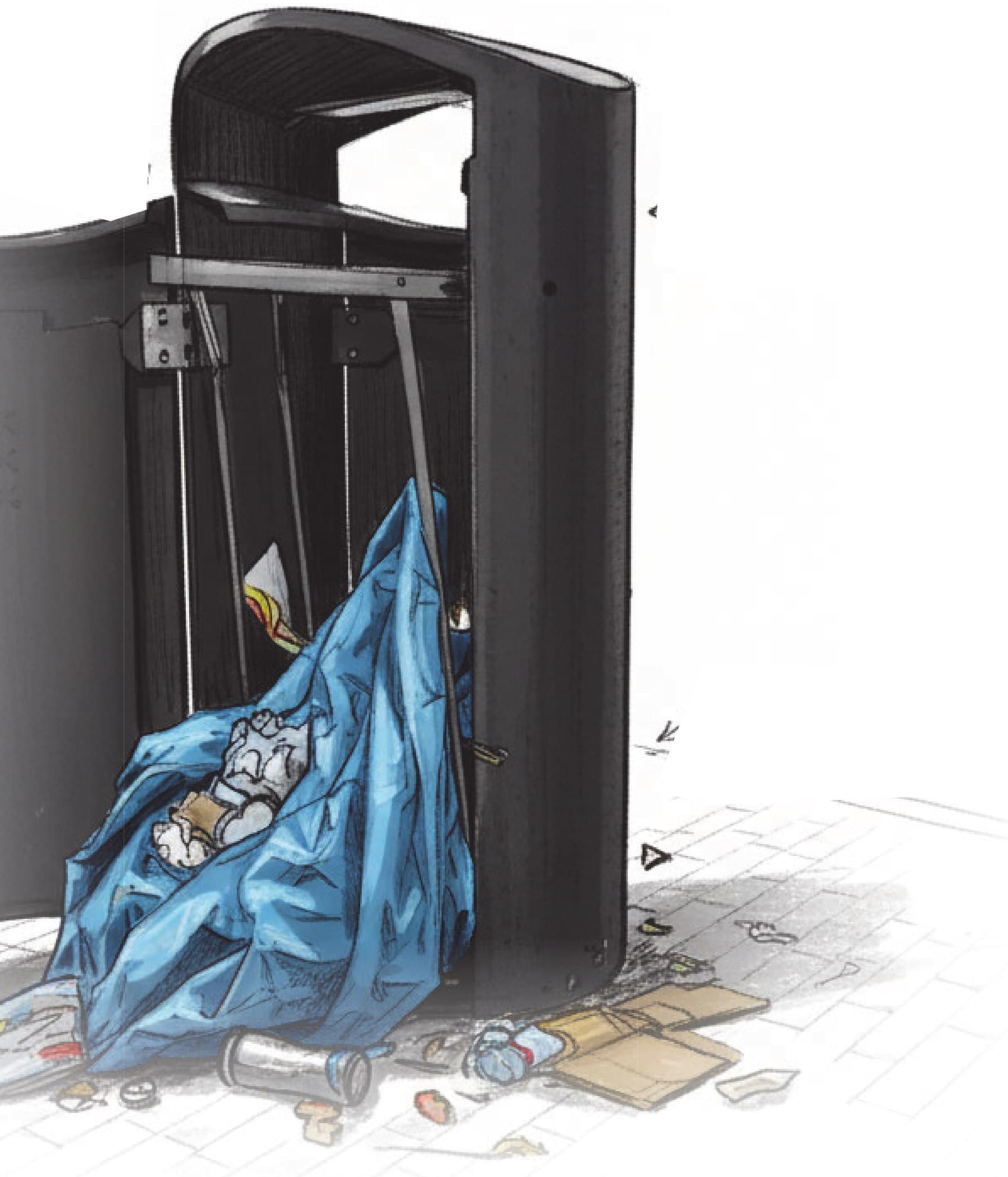
Amsterdam's small deposit scheme on bottles and cans created an unplanned side effect: broken locks, torn bags and litter, at a cost the city put at roughly €4M a year in damage and extra cleaning (IPR Normag, 2025). Underneath that cost was a harder problem — the people doing the collecting have to tear bags open to find what they're looking for, in full view of everyone walking past. Fixing the bin without addressing that just moves the same conflict somewhere else.
The brief
Could a redesigned bin and streetscape cut vandalism and litter around Amsterdam's waste bins, without getting in the way of collecting deposit packaging?
Give the deposit its own route
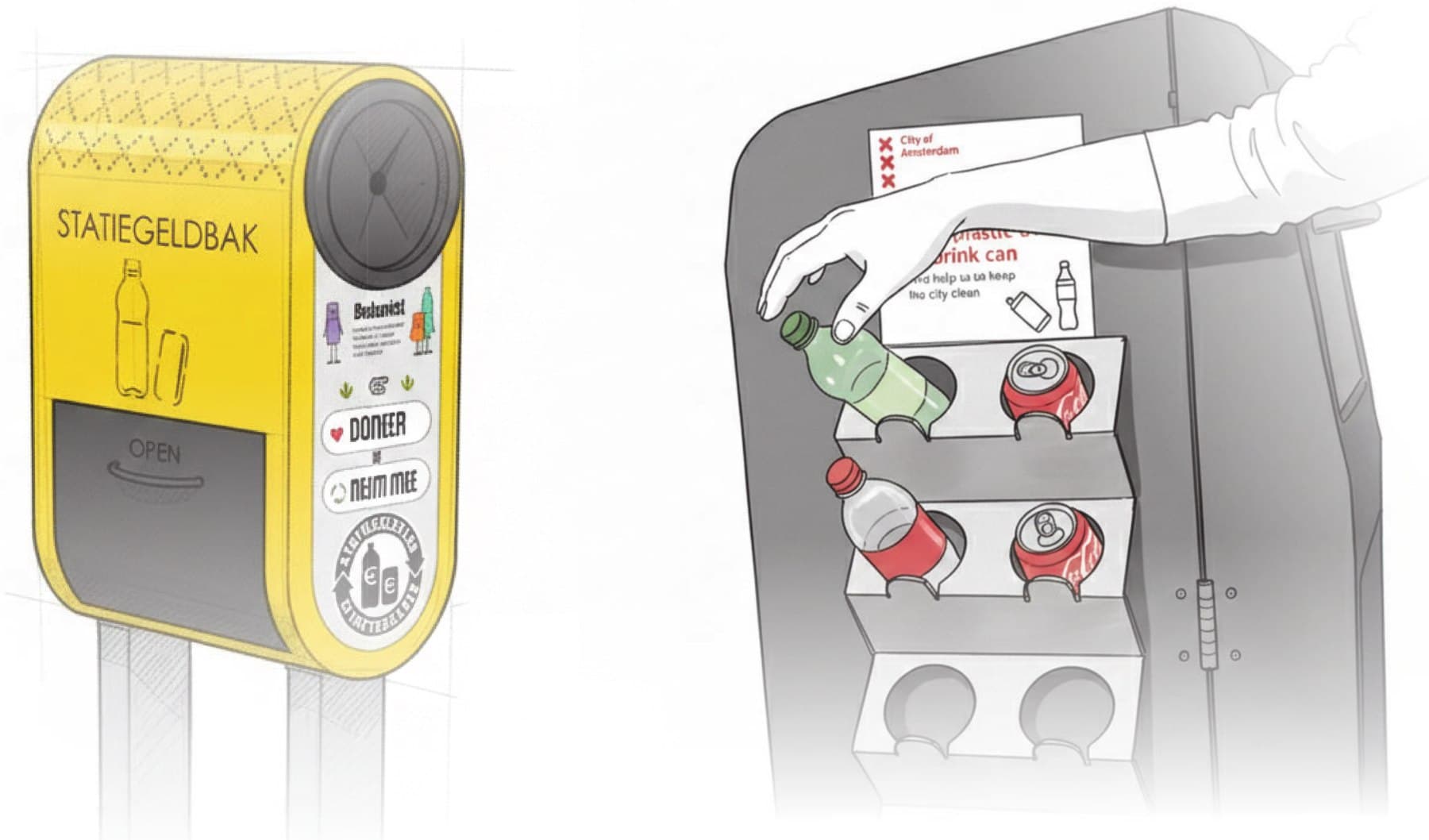
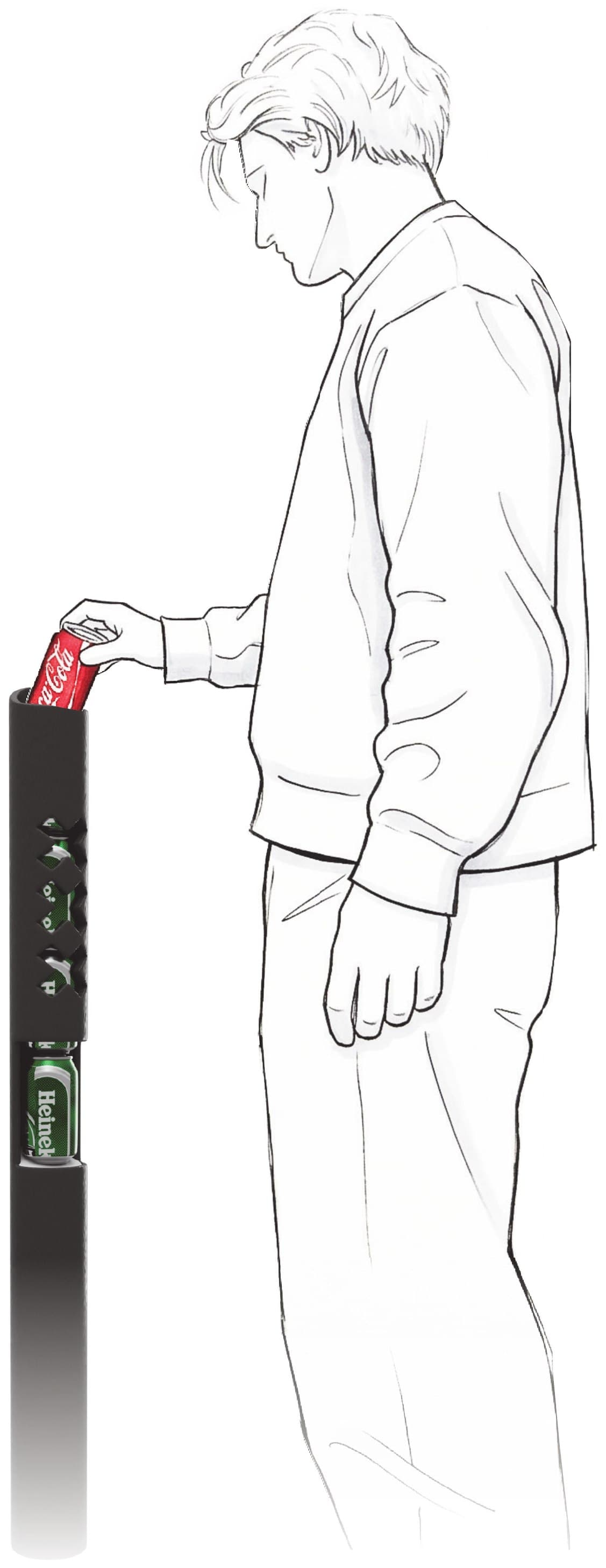
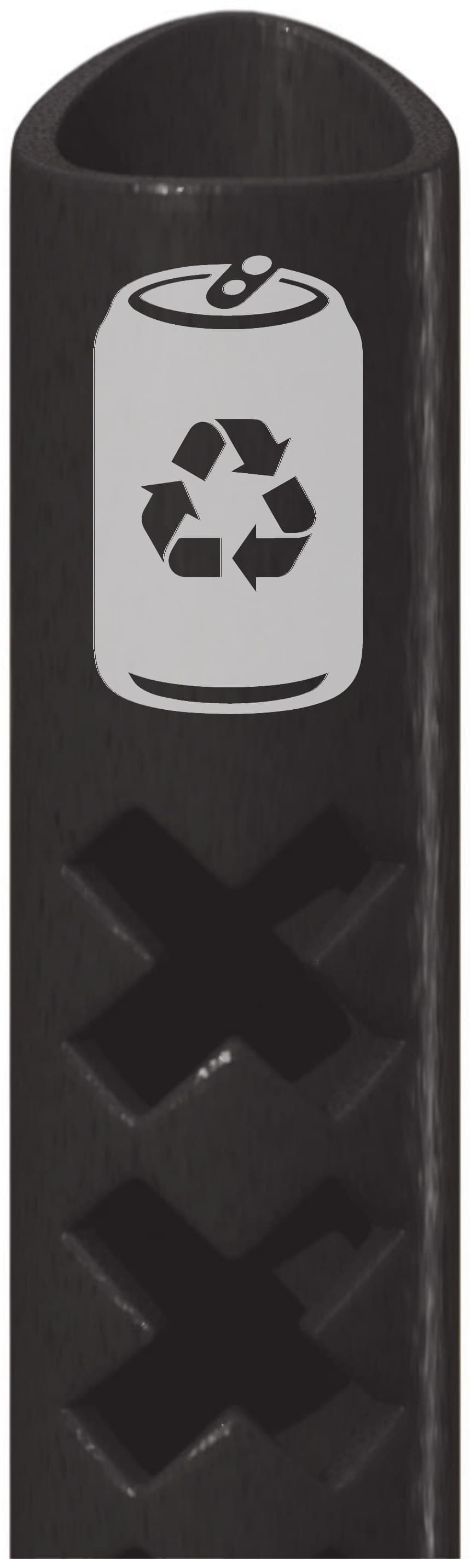
The core move was to stop treating deposit bottles as waste that happens to have value, and give them a visible, dedicated place instead — a slotted module, sized for bottles and cans, that reads as a donation point rather than a bin.
The system, not just the bin
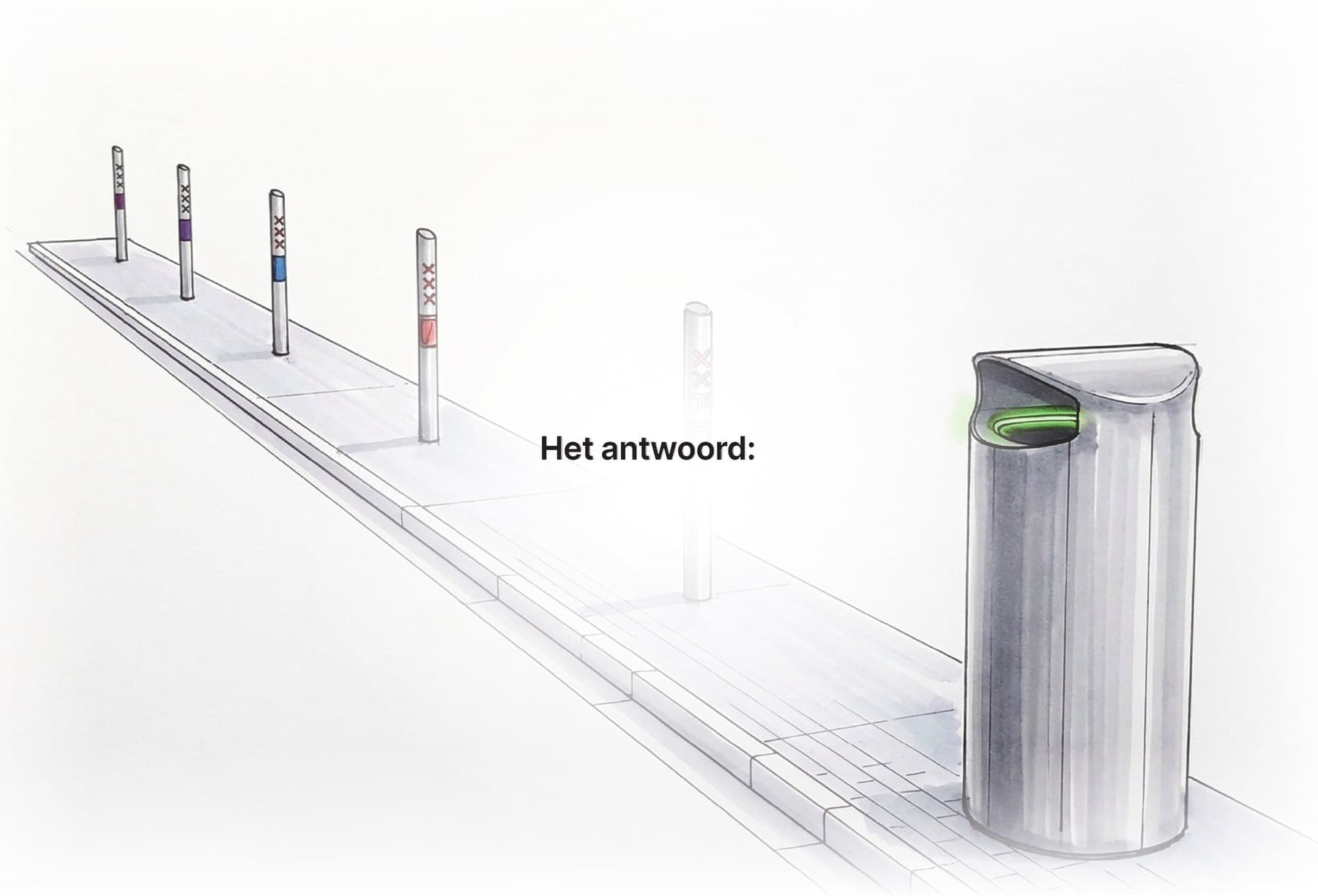
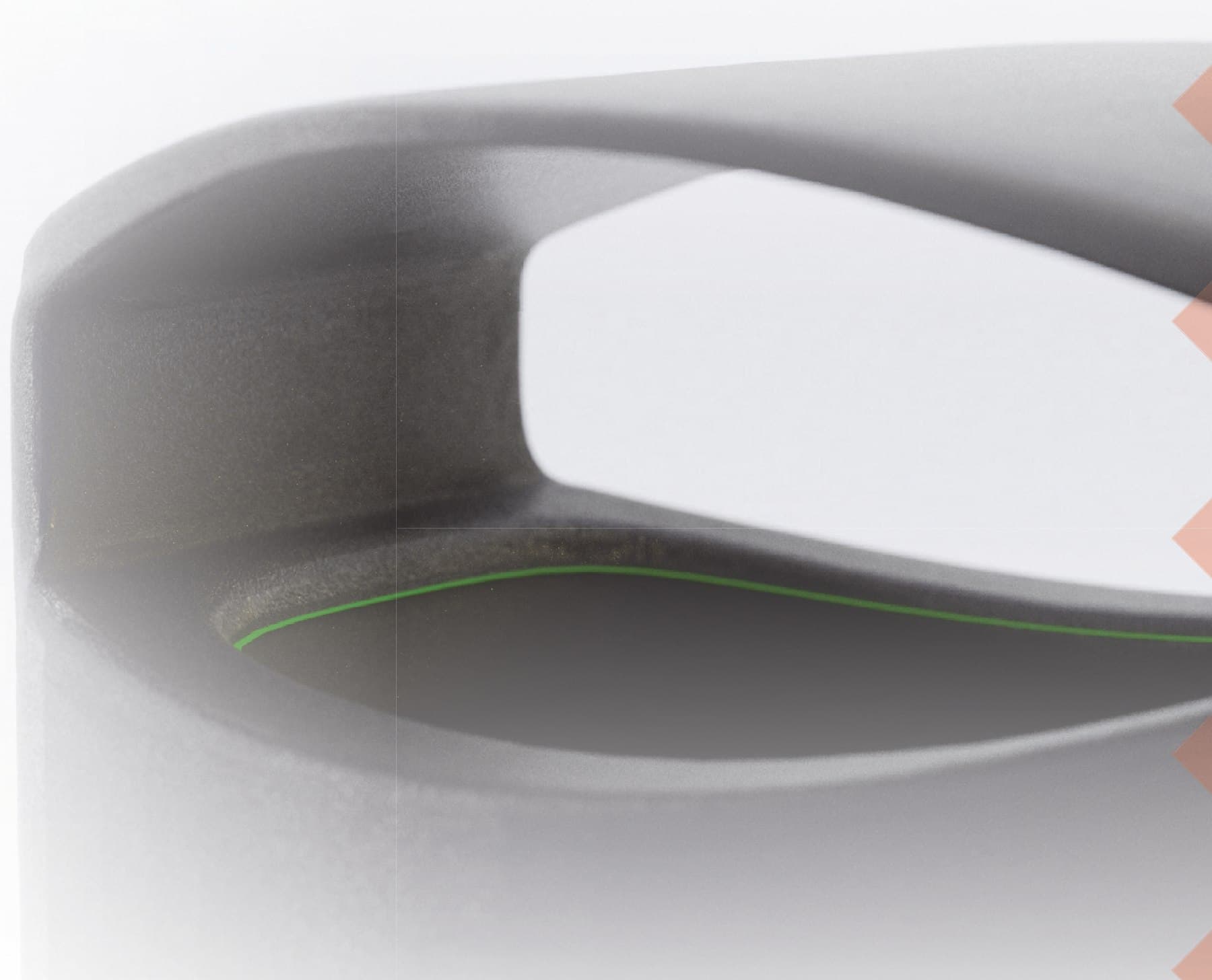
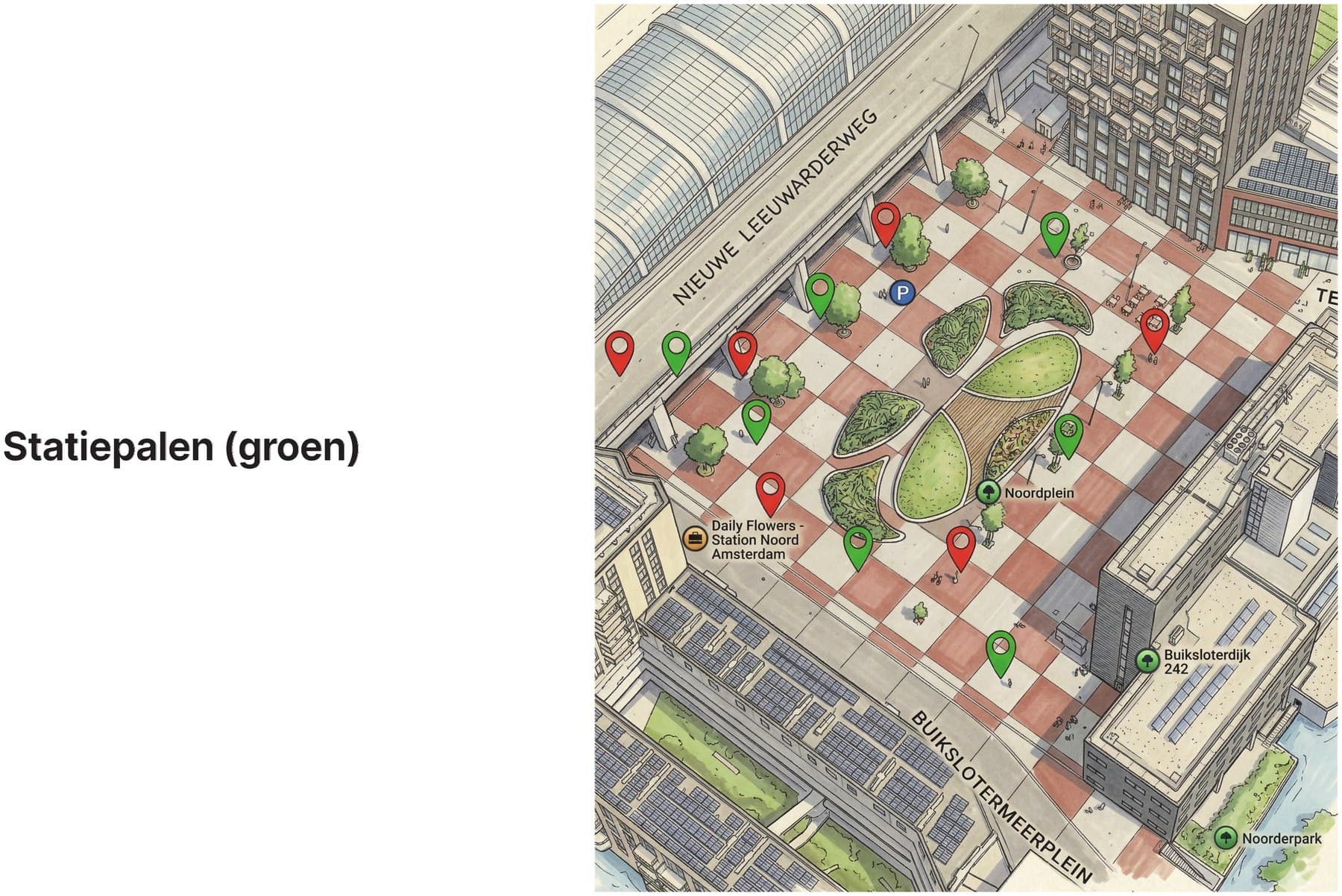
That idea scales up into a route: a line of 'statiepalen' — deposit poles, each holding four to nine cans or bottles — leads from the street to the bin itself, which gets its own illuminated slot cut into the rim. Nobody needs to open the main bag to see what's collectible; it's already sitting in the open, along the way.
Phase 1 — Sense (May–June)
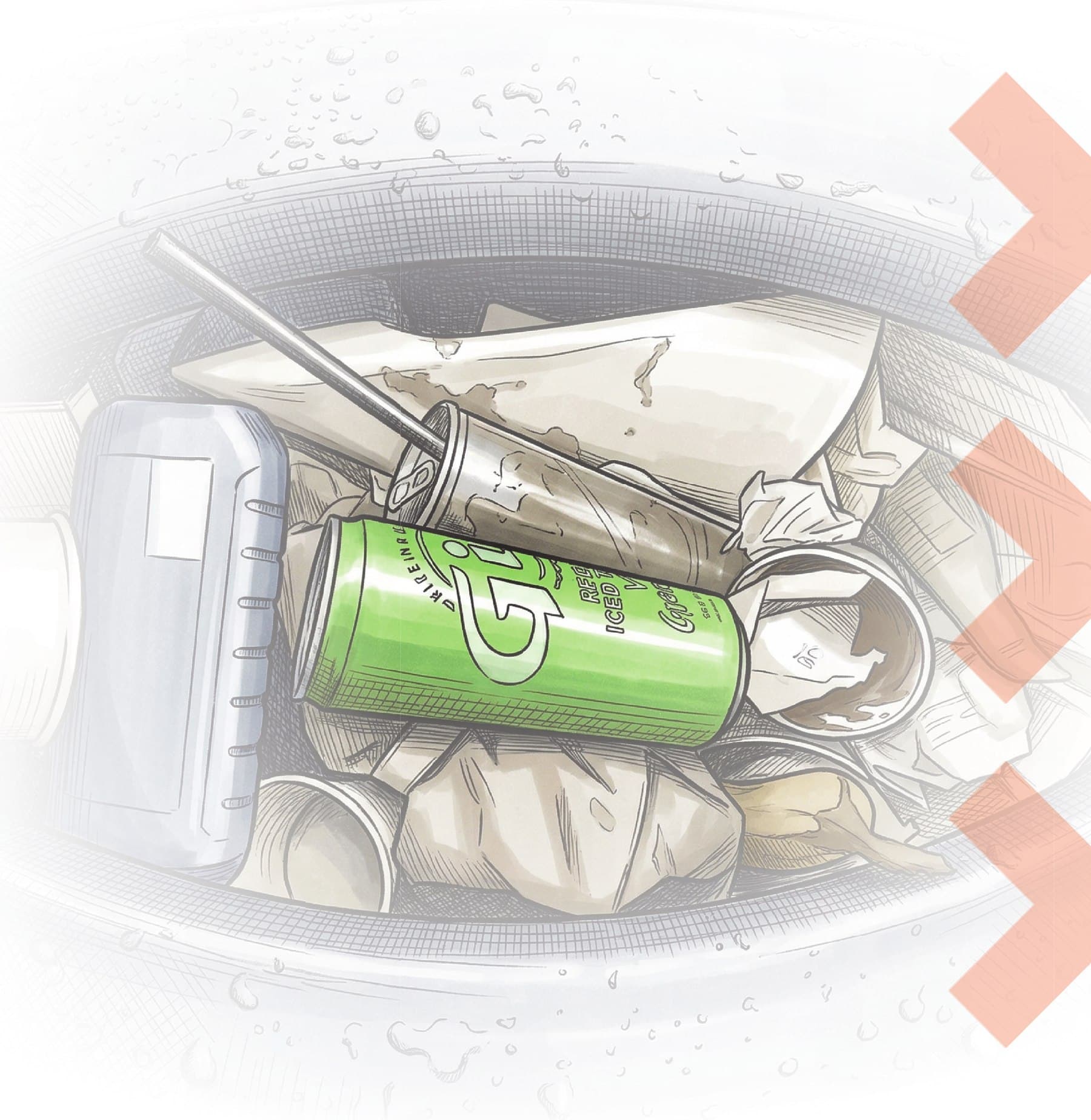
Small, solar-powered camera modules, with battery backup, placed at the bin to gather baseline data on how much deposit packaging actually ends up as litter before anything else changes.
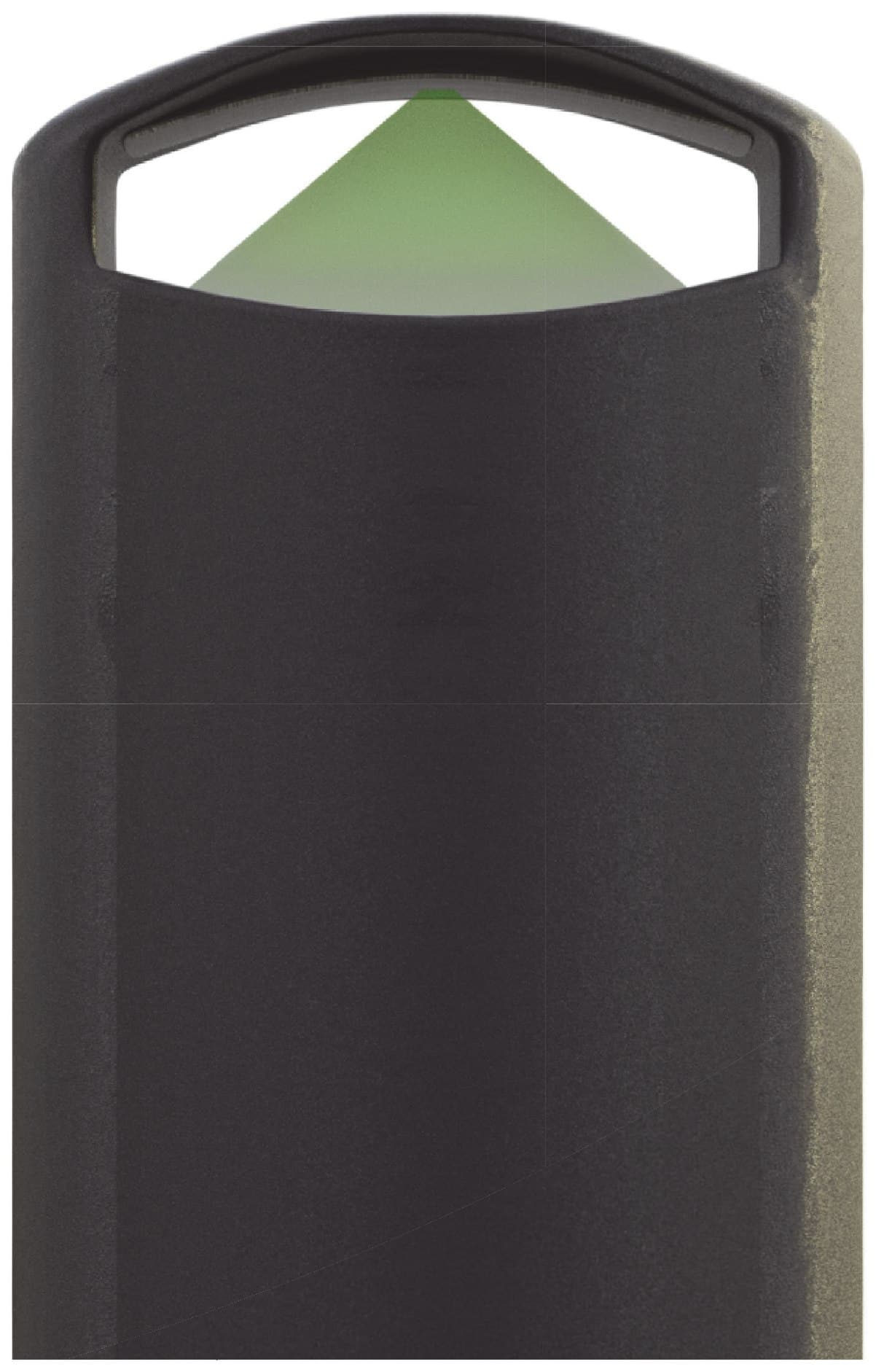
Phase 2 — Intervene (July–August)
Statiepalen go in along the route, backed by a sticker and poster campaign to build awareness. Effectiveness gets measured against the phase 1 baseline.
Phase 3 — Signal (September–November)
With two phases of real data, an object-detection model gets tested for accuracy. Where it holds up, bins get a simple external signal showing whether deposit packaging is actually inside — so collectors stop tearing bags open on a guess. That signal was designed in consultation with Leger des Heils, HVO-Querido and perMens, the organisations that actually work with collectors, rather than decided from a design studio.
Where it would have run
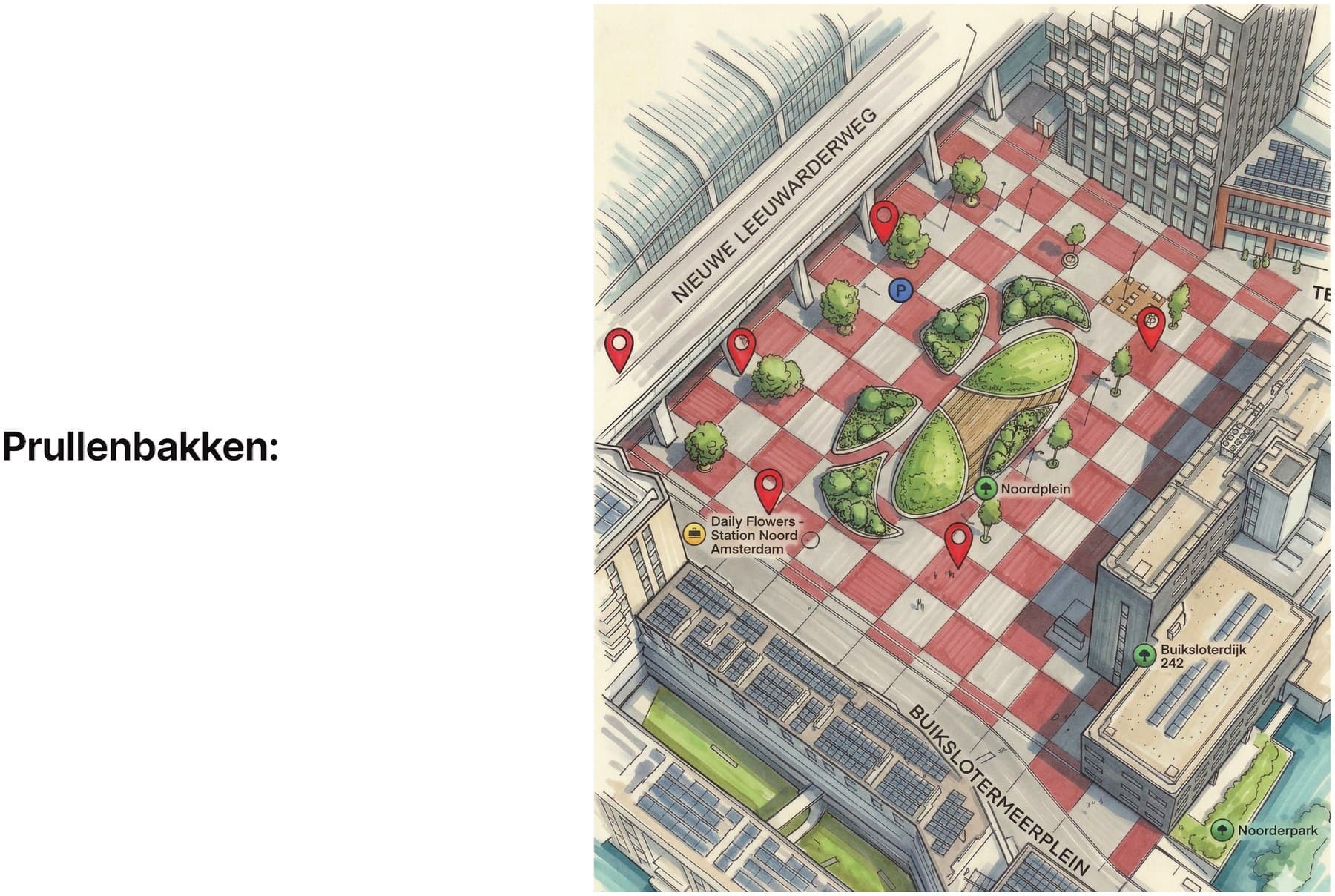
Buikslotermeerplein, Amsterdam-Noord — every bin and every proposed pole was mapped to a real position on the square before this went any further.
What happened
The pilot was fully designed and ready to test on the street after a few months of work. Before it got there, Amsterdam moved ahead with a broader, city-wide pilot for the same problem, and this localised version at Buikslotermeerplein didn't go ahead. The design held up; the timing didn't.